


Introduction
Inflation and Its Impact on Consumers is one of the most important economic topics everyone should understand. Whether you are a student, employee, business owner, or retiree, inflation influences your daily spending, savings, and financial decisions. It affects the prices of groceries, fuel, housing, healthcare, transportation, and many other essentials. Even small increases in inflation can significantly change a family’s monthly budget over time.
Many people notice that the cost of everyday items seems to increase each year. A meal at a restaurant, a carton of milk, or a bus ticket may cost more today than it did a few years ago. These changes are often the result of inflation. While moderate inflation is considered a normal part of a growing economy, rapid inflation can reduce purchasing power and make it more difficult for consumers to maintain their standard of living.
Understanding inflation helps consumers make smarter financial choices. It encourages better budgeting, careful spending, and informed investment decisions. When people know why prices rise and how inflation works, they are better prepared to protect their finances from unexpected economic changes.
In this guide, you will learn what inflation is, why it matters, how it affects consumers, and practical ways to reduce its impact. Whether you are just beginning to learn about economics or want to strengthen your financial knowledge, this article provides clear explanations and practical examples that are easy to understand.
What Is Inflation and Its Impact on Consumers?
Inflation is the gradual increase in the prices of goods and services over time. As prices rise, the purchasing power of money decreases. In simple terms, the same amount of money buys fewer products than it did before.
For example, imagine a loaf of bread costs $2 today. If inflation increases prices by 10%, the same loaf may cost $2.20 next year. Although the price increase appears small, repeated increases over several years can make everyday living much more expensive.
Inflation affects almost every part of consumer life, including:
- Food and groceries
- Fuel and transportation
- Housing and rent
- Medical expenses
- Utility bills
- Education costs
- Entertainment
- Insurance premiums
Inflation is usually measured using price indexes that track changes in the average cost of commonly purchased goods and services. Governments and central banks monitor inflation closely because it influences economic growth, employment, and interest rates.
Types of Inflation
Several types of inflation exist, each caused by different economic factors.
Demand-Pull Inflation
This occurs when consumer demand grows faster than the supply of products and services. Businesses respond by increasing prices because more people are competing to buy limited goods.
Example:
A popular smartphone launches with limited stock. High demand allows retailers to raise prices because customers are willing to pay more.
Cost-Push Inflation
Cost-push inflation happens when production costs increase. Businesses pass these higher costs to consumers through higher prices.
Common causes include:
- Higher wages
- Rising fuel prices
- Increased raw material costs
- Supply chain disruptions
Built-In Inflation
Workers often request higher salaries to keep up with rising living costs. Businesses then increase product prices to cover higher labor expenses, creating a continuous cycle of wage and price increases.
Why Is Inflation Important?
Inflation is more than just rising prices. It influences how consumers spend, save, borrow, and invest money. Governments, businesses, and financial institutions all pay close attention to inflation because it affects the overall economy.
Here are some reasons why inflation matters.
It Changes Purchasing Power
Purchasing power refers to how much goods and services your money can buy.
Suppose you have $100 today. If inflation rises significantly while your income remains the same, your $100 buys fewer groceries, less fuel, and fewer household items than before.
It Affects Savings
Money kept in a regular savings account may lose value if inflation grows faster than the interest earned.
For example:
- Savings interest: 2%
- Inflation rate: 5%
Although your savings balance increases slightly, its actual buying power decreases because prices rise faster than your money grows.
It Influences Interest Rates
Central banks often increase interest rates to slow inflation. Higher interest rates make borrowing more expensive, reducing consumer spending and helping control rising prices.
However, higher interest rates also affect:
- Mortgage payments
- Car loans
- Personal loans
- Credit card balances
It Impacts Businesses
Businesses face rising operating costs during inflation.
These include:
- Employee salaries
- Transportation
- Manufacturing
- Packaging
- Energy expenses
Companies may respond by increasing prices, reducing production, or delaying expansion plans.
It Affects Employment
Moderate inflation often supports economic growth and job creation. However, extremely high inflation can slow business investment, reducing hiring and increasing unemployment.
Step-by-Step Guide to Understanding Inflation and Managing Its Effects
Step 1: Learn What Causes Inflation
The first step is understanding why inflation happens.
Some common causes include:
- Increased consumer demand
- Higher production costs
- Government spending
- Expansion of the money supply
- Supply chain disruptions
- International conflicts affecting trade
- Rising energy prices
Example:
If oil prices increase worldwide, transportation becomes more expensive. Businesses spend more delivering products, and consumers eventually pay higher prices.
Understanding these causes helps consumers anticipate price changes instead of being surprised by them.
Step 2: Track Your Monthly Expenses
Inflation often affects small purchases first. Without tracking expenses, consumers may not realize how much extra they spend each month.
Create a monthly budget by listing:
- Housing
- Utilities
- Groceries
- Transportation
- Healthcare
- Education
- Entertainment
- Savings
Compare your expenses every month.
If grocery spending rises from $300 to $360 within a year, inflation may be one of the main reasons.
Budget tracking also helps identify unnecessary spending that can be reduced.
Step 3: Focus on Essential Spending
During periods of rising inflation, consumers should prioritize essential needs over unnecessary wants.
Examples of essential expenses include:
- Food
- Housing
- Electricity
- Water
- Healthcare
- Transportation to work
- Education
Non-essential purchases may include:
- Luxury clothing
- Expensive gadgets
- Frequent dining out
- Premium subscriptions
- Impulse shopping
Reducing unnecessary expenses helps households maintain financial stability even when prices continue rising.
Step 4: Build an Emergency Fund
Inflation often creates financial uncertainty. Prices may rise unexpectedly, making emergencies more expensive than planned.
An emergency fund provides protection against situations such as:
- Medical emergencies
- Job loss
- Major home repairs
- Vehicle maintenance
- Unexpected travel expenses
Financial experts commonly recommend saving enough to cover several months of essential living expenses.
Even small monthly contributions can grow into a valuable financial safety net over time.
Step 5: Increase Your Income Whenever Possible

One of the most effective ways to reduce Inflation and Its Impact on Consumers is to increase your earning potential. While controlling expenses is important, earning more money provides additional flexibility when prices continue to rise.
There are several practical ways to increase income:
- Learn new professional skills.
- Apply for higher-paying positions.
- Work part-time or freelance.
- Start a small online business.
- Sell handmade or digital products.
- Offer tutoring or consulting services.
- Invest in career development through certifications.
For example, someone who learns graphic design or digital marketing may qualify for better-paying opportunities, helping offset rising living costs.
Increasing income also allows consumers to save more, invest for the future, and handle unexpected expenses without relying heavily on debt.
Step 6: Protect Your Savings
Inflation gradually reduces the purchasing power of money sitting idle. Saving remains essential, but consumers should also understand how inflation affects long-term financial goals.
Good financial habits include:
- Saving consistently every month.
- Diversifying investments.
- Reviewing financial goals regularly.
- Avoiding unnecessary withdrawals.
- Maintaining an emergency reserve.
Suppose you save $5,000 today. If inflation remains high for several years while your money earns little or no return, those savings may buy significantly fewer goods and services in the future.
Protecting savings requires balancing safety, accessibility, and growth.
Step 7: Shop Smarter
Inflation encourages consumers to become more strategic shoppers.
Helpful shopping habits include:
- Compare prices before buying.
- Purchase quality products that last longer.
- Buy seasonal items when prices are lower.
- Use discount offers wisely.
- Purchase non-perishable items in bulk when practical.
- Avoid emotional or impulse purchases.
- Prepare shopping lists before visiting stores.
For example, comparing prices at different supermarkets may save hundreds of dollars each year, especially on frequently purchased household items.
Smart shopping does not always mean buying the cheapest product. Instead, it means finding the best value for money.
Step 8: Reduce Debt
High inflation is often accompanied by rising interest rates. As borrowing becomes more expensive, consumers with significant debt may experience increasing monthly payments.
Prioritize paying off:
- Credit card balances
- Personal loans
- High-interest debt
- Payday loans
Avoid taking on unnecessary loans for luxury purchases during periods of economic uncertainty.
Lower debt means greater financial flexibility and reduced stress if inflation remains elevated.
Step 9: Continue Learning About the Economy
Economic conditions change over time. Staying informed helps consumers make better financial decisions.
Pay attention to:
- Inflation reports
- Interest rate changes
- Employment trends
- Housing market developments
- Fuel prices
- Food price movements
Understanding these indicators helps households prepare their budgets before major price increases occur.
Financial knowledge is one of the strongest tools consumers can use to adapt successfully to changing economic conditions.
Benefits of Inflation and Its Impact on Consumers
Although inflation often creates financial challenges, moderate inflation can also produce positive economic effects when managed properly.
Some important benefits include:
- Encourages economic growth.
- Supports business expansion.
- Promotes wage increases over time.
- Motivates consumers to invest rather than leave money unused.
- Helps reduce the real burden of certain long-term debts.
- Encourages innovation and increased production.
- Supports employment opportunities in a growing economy.
- Motivates households to improve budgeting skills.
- Encourages smarter financial planning.
- Helps central banks maintain healthy economic activity.
For example, moderate inflation often signals that consumers are spending money and businesses are producing goods, both of which contribute to a healthy economy.
Disadvantages and Risks
Despite some benefits, high inflation creates numerous challenges for consumers.
Common disadvantages include:
- Reduced purchasing power.
- Higher grocery prices.
- Increased housing costs.
- Rising transportation expenses.
- More expensive healthcare.
- Reduced value of savings.
- Higher borrowing costs.
- Greater financial uncertainty.
- Increased pressure on low-income families.
- Lower consumer confidence.
- Difficulty planning long-term budgets.
- Reduced ability to save for retirement.
- Higher business operating costs.
- Potential slowdown in economic growth.
- Increased inequality if wages fail to keep pace with prices.
Rapid inflation can become especially difficult when incomes remain unchanged while the prices of essential goods continue rising.
Common Mistakes to Avoid
Many consumers unintentionally make financial decisions that worsen the effects of inflation.
Here are some common mistakes and how to avoid them.
Ignoring a Budget
Without a budget, it becomes difficult to identify where extra money is being spent.
Track monthly income and expenses regularly.
Spending Impulsively
Impulse purchases quickly reduce available funds during periods of rising prices.
Ask yourself whether each purchase is a necessity or simply a temporary desire.
Saving Without a Plan
Simply placing money aside without reviewing financial goals may reduce long-term purchasing power.
Regularly evaluate your savings strategy based on changing economic conditions.
Depending Too Much on Credit Cards
High-interest debt becomes increasingly expensive when interest rates rise.
Pay balances promptly whenever possible.
Not Comparing Prices
Many consumers buy products from the first available store.
Comparing prices often results in significant annual savings.
Ignoring Emergency Savings
Unexpected expenses become even more challenging during inflation.
Build an emergency fund before financial emergencies occur.
Delaying Financial Decisions
Waiting too long to adjust spending habits may increase financial pressure.
Small improvements made early often produce better long-term results.
Failing to Increase Skills
Improving professional skills may increase earning potential and provide greater protection against inflation.
Continuous learning remains valuable throughout every stage of a career.
FAQs
What causes inflation?
Inflation occurs when prices rise because demand exceeds supply, production costs increase, the money supply expands, or supply chains experience disruptions. Often, multiple factors contribute simultaneously.
Does inflation affect everyone equally?
Different households experience inflation differently depending on their income, spending habits, location, employment, and financial responsibilities.
Families that spend a large portion of their income on necessities often feel inflation more intensely.
Is all inflation bad?
Moderate inflation is generally considered healthy because it supports economic growth and encourages spending and investment.
However, extremely high inflation can create serious financial problems for consumers and businesses alike.
Why do groceries become more expensive during inflation?
Food prices increase because farmers, manufacturers, transportation companies, and retailers all face higher operating costs.
These additional costs are eventually reflected in consumer prices.
How does inflation affect savings?
Inflation reduces the purchasing power of money.
If savings grow more slowly than inflation, consumers may lose real value even though their account balance increases.
Can consumers completely avoid inflation?
No.
Inflation affects the entire economy.
However, consumers can reduce its impact through careful budgeting, smart spending, consistent saving, debt management, and informed financial planning.
Part 3
Expert Tips & Bonus Points
Understanding Inflation and Its Impact on Consumers is only the first step. The next step is applying practical financial habits that help you stay prepared regardless of economic conditions. Inflation is a natural part of most economies, but consumers who plan ahead usually experience fewer financial difficulties than those who react only after prices have already increased.
Below are several expert tips that can help individuals and families make smarter financial decisions during periods of rising prices.
1. Review Your Budget Regularly
A budget should never remain unchanged for years. As prices increase, spending patterns also change.
Review your monthly budget and update categories such as:
- Groceries
- Transportation
- Utilities
- Healthcare
- Education
- Entertainment
- Savings
Small adjustments each month can prevent larger financial problems later.
2. Differentiate Between Needs and Wants
One of the easiest ways to reduce financial pressure is to separate essential expenses from optional spending.
Needs include:
- Food
- Housing
- Utilities
- Healthcare
- Transportation for work
- Education
Wants include:
- Luxury items
- Frequent restaurant meals
- Expensive electronics
- Premium subscriptions
- Trend-based shopping
Prioritizing necessities helps maintain financial stability even during periods of high inflation.
3. Build Multiple Sources of Income
Relying on a single paycheck can be risky if living expenses continue to rise.
Consider additional income opportunities such as:
- Freelancing
- Online teaching
- Selling digital products
- Consulting
- Blogging
- Content creation
- Small home-based businesses
Even modest extra income can help offset increasing household expenses.
4. Continue Improving Financial Knowledge
Economic conditions change over time.
Reading about personal finance, budgeting, investing, and economic trends helps consumers make informed decisions instead of emotional ones.
Learning even one new financial skill each month can improve long-term financial confidence.
5. Avoid Panic Buying
When consumers fear future price increases, they sometimes purchase excessive quantities of products.
Panic buying often creates:
- Waste
- Overspending
- Storage problems
- Temporary shortages
Instead, purchase reasonable amounts based on actual household needs.
6. Plan Major Purchases Carefully
Large purchases such as cars, furniture, or home appliances should be carefully researched.
Before buying:
- Compare prices.
- Read product reviews.
- Calculate long-term costs.
- Consider maintenance expenses.
- Avoid buying solely because of advertisements.
Making informed decisions reduces unnecessary spending.
7. Invest in Yourself
One of the best long-term protections against inflation is increasing your earning potential.
Examples include:
- Learning new software
- Improving communication skills
- Studying financial literacy
- Gaining professional certifications
- Learning a second language
- Developing leadership skills
Higher skills often lead to better career opportunities and higher income.
8. Stay Flexible
Economic conditions rarely remain the same.
Consumers who adapt quickly usually recover faster from financial challenges.
Flexibility may involve:
- Adjusting spending habits
- Changing savings goals
- Exploring new income opportunities
- Learning new financial strategies
Adaptability is often more valuable than trying to predict future economic conditions.
Real-Life Examples of Inflation’s Impact
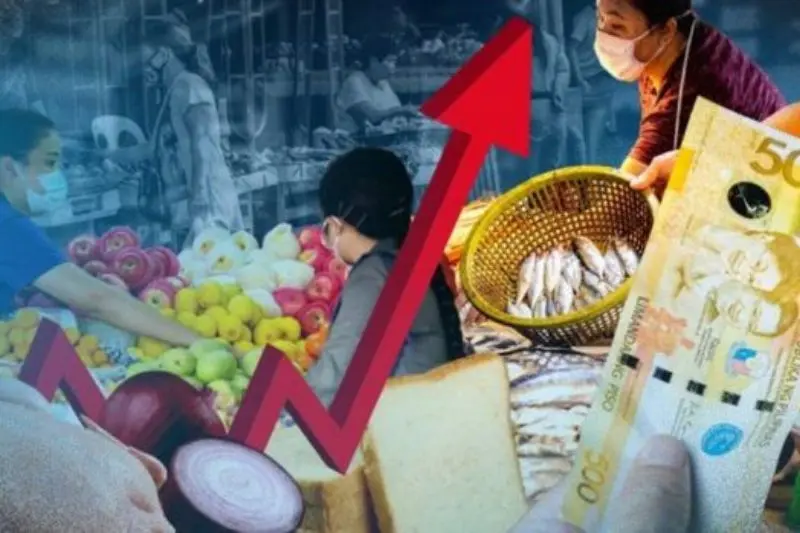
Understanding inflation becomes easier when we look at everyday situations.
Example 1: Grocery Shopping
A family spends $400 per month on groceries.
One year later, inflation increases food prices by 12%.
The same groceries now cost approximately $448 each month.
Without increasing income or reducing other expenses, the family has less money available for savings or recreation.
Example 2: Fuel Costs
A worker drives to work every day.
Fuel prices increase significantly over several months.
Transportation expenses rise, leaving less money for entertainment, shopping, or investments.
The worker may begin carpooling or using public transportation to reduce costs.
Example 3: Housing Expenses
A renter renews an apartment lease.
Because of inflation and increased maintenance costs, monthly rent increases by $150.
The renter adjusts the household budget by reducing discretionary spending and increasing monthly savings goals.
Example 4: Education Costs
Parents saving for their child’s education discover that tuition fees have increased substantially over several years.
They respond by increasing monthly education savings and reviewing long-term financial plans.
Key Takeaways
The most important lessons from this guide include:
- Inflation is the gradual increase in prices over time.
- Rising prices reduce purchasing power.
- Inflation affects nearly every household expense.
- Moderate inflation can support economic growth.
- High inflation creates financial challenges.
- Budgeting becomes more important during inflation.
- Emergency savings provide financial security.
- Reducing unnecessary debt improves financial stability.
- Increasing income helps offset rising costs.
- Financial education empowers better decision-making.
- Smart shopping habits can reduce monthly expenses.
- Long-term planning helps households adapt to changing economic conditions.
These principles can help consumers make informed choices regardless of future economic changes.
Conclusion
Inflation and Its Impact on Consumers is a topic that affects nearly everyone, regardless of age, profession, or income level. As prices for food, housing, transportation, healthcare, and other essentials rise, households must adjust their financial habits to maintain stability. Although inflation cannot be completely avoided, understanding how it works allows consumers to respond with confidence rather than uncertainty.
The most effective way to manage inflation is through preparation. Creating a realistic budget, monitoring expenses, building emergency savings, reducing unnecessary debt, and increasing income opportunities all contribute to stronger financial health. Smart shopping, careful planning, and continuous learning also help consumers make better decisions when economic conditions change.
It is important to remember that inflation is not always negative. Moderate inflation often reflects a growing economy, increased business activity, and stronger employment opportunities. The real challenge arises when inflation grows faster than wages or remains high for an extended period. In those situations, informed financial planning becomes even more valuable.
