



Introduction
Building wealth is not a matter of luck or timing the market perfectly. It is a long-term process that requires patience, consistency, and a clear financial direction. This is exactly where the Best Long-Term Investment Strategies play a crucial role. They provide a structured approach for individuals who want to grow their money steadily while minimizing unnecessary risks and emotional decision-making.
In simple terms, long-term investing is about putting your money into assets that grow in value over time and allowing those investments to compound. Instead of focusing on short-term gains or reacting to daily market movements, investors who follow Best Long-Term Investment Strategies focus on the bigger picture—financial stability, wealth creation, and future security. This mindset shift alone can make a significant difference in financial outcomes over time.
For beginners, investing can often feel overwhelming. There are countless options, complex financial terms, and constant market updates that may create confusion. However, long-term investing simplifies this process. It encourages individuals to focus on a few strong investment principles rather than chasing every opportunity that appears in the market. This approach not only reduces stress but also helps build confidence gradually as experience grows.
One of the core ideas behind Best Long-Term Investment Strategies is the power of compounding. Compounding is the process where your earnings generate additional earnings over time. For example, when you invest in stocks, mutual funds, or other growth assets, the returns you earn are reinvested, allowing your wealth to grow exponentially rather than linearly. The longer your money stays invested, the more powerful compounding becomes. This is why financial experts often emphasize that time is one of the most valuable assets in investing.
Another important aspect is discipline. Long-term investing requires a consistent approach, such as investing a fixed amount regularly, regardless of market conditions. This method, often referred to as systematic investing, helps reduce the impact of market volatility. When markets are high, you buy fewer units; when markets are low, you buy more. Over time, this averages out the cost of investment and reduces overall risk.
The Best Long-Term Investment Strategies also help individuals avoid one of the biggest pitfalls in investing—emotional decision-making. Many investors panic during market downturns and sell their investments at a loss, only to miss out on future recovery and growth. Similarly, during market booms, some investors become overly confident and take unnecessary risks. A long-term strategy helps eliminate these emotional extremes by encouraging a disciplined, goal-oriented approach.
Another key advantage is clarity in financial planning. When you follow long-term investment strategies, you are not just investing randomly; you are investing with a purpose. Whether your goal is retirement planning, buying a home, funding education, or achieving financial independence, having a clear objective helps you choose the right investment tools and stay focused on your path. This clarity reduces confusion and increases financial confidence.
Diversification is also a critical component of Best Long-Term Investment Strategies. Instead of putting all your money into one type of asset, diversification spreads your investments across different categories such as stocks, bonds, real estate, and mutual funds. This helps reduce risk because different assets perform differently under various economic conditions. While one investment may underperform, another may perform well, balancing the overall portfolio.
Additionally, long-term investing aligns well with real-life financial goals. Most major life goals—such as retirement, buying property, or building a financial safety net—are not short-term objectives. They require years of planning and consistent saving. Long-term investment strategies provide the structure needed to achieve these goals without putting unnecessary pressure on short-term income or savings.
It is also important to understand that financial markets naturally go through cycles. There are periods of growth, stability, and decline. Short-term investors often struggle during these cycles because they try to predict market movements. However, Best Long-Term Investment Strategies are designed to work through these cycles rather than against them. By staying invested for a longer period, investors can smooth out volatility and benefit from overall market growth trends.
Inflation is another major reason why long-term investing is essential. Over time, inflation reduces the purchasing power of money. What you can buy today with a certain amount may cost significantly more in the future. If money is not invested wisely, its value decreases over time. Long-term investments help protect against inflation by generating returns that ideally exceed inflation rates, thereby preserving and growing real wealth.
For intermediate investors, long-term strategies offer an opportunity to refine and optimize their portfolios. As experience grows, investors can explore different asset classes, rebalance their portfolios, and adjust risk levels based on changing financial goals. This makes long-term investing a flexible and scalable approach suitable for different stages of life.
Ultimately, the foundation of Best Long-Term Investment Strategies lies in a simple but powerful philosophy: stay consistent, stay patient, and stay invested. Instead of chasing quick profits or reacting to market noise, successful investors focus on building sustainable wealth over time. This approach not only improves financial outcomes but also creates peace of mind, knowing that a structured plan is working steadily in the background.
In conclusion, long-term investing is more than just a financial method—it is a mindset that encourages discipline, patience, and smart decision-making. Whether someone is just starting their investment journey or already has experience, understanding and applying Best Long-Term Investment Strategies can significantly improve their ability to build wealth, manage risk, and achieve long-term financial freedom.
What is Best Long-Term Investment Strategies?
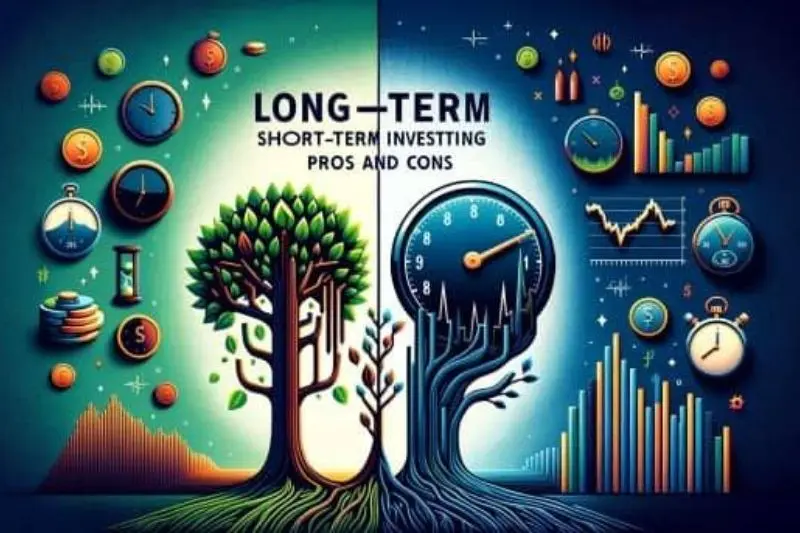
The term Best Long-Term Investment Strategies refers to financial planning methods designed to grow wealth over an extended period, typically 5 to 30 years or more. These strategies focus on steady growth rather than quick profits, making them ideal for retirement planning, wealth accumulation, and financial independence.
Long-term investing involves putting money into assets such as stocks, mutual funds, index funds, real estate, and bonds. The goal is to benefit from compounding returns, where your earnings generate additional earnings over time.
Unlike short-term trading, which requires constant monitoring and high risk-taking, long-term investment strategies emphasize patience, discipline, and consistency. Investors who follow these strategies are less affected by daily market volatility.
At its core, Best Long-Term Investment Strategies are built on three principles:
- Time in the market is more important than timing the market
- Diversification reduces risk
- Consistent investing builds wealth gradually
Understanding these principles helps investors stay focused on long-term goals instead of reacting emotionally to short-term market changes.
Why is Best Long-Term Investment Strategies Important?

The importance of Best Long-Term Investment Strategies lies in their ability to create financial stability and reduce uncertainty. In an unpredictable economic environment, long-term investing acts as a protective shield against inflation, market downturns, and financial emergencies.
One major reason these strategies matter is the power of compounding. Even small investments can grow significantly over time when returns are reinvested consistently. This makes long-term investing one of the most effective ways to build wealth.
Another key reason is risk reduction. Markets naturally go through ups and downs, but long-term investors can smooth out volatility by holding investments for extended periods. This reduces the impact of short-term losses.
Additionally, Best Long-Term Investment Strategies help individuals achieve important life goals such as:
- Buying a home
- Funding children’s education
- Planning for retirement
- Achieving financial independence
Without a long-term strategy, many investors end up making emotional decisions, such as panic selling during downturns or chasing unrealistic gains. A structured plan helps avoid these mistakes and keeps financial goals on track.
Detailed Step-by-Step Guide to Best Long-Term Investment Strategies
Step 1: Define Your Financial Goals
Before investing, clearly define what you want to achieve. Your goals will determine your strategy, risk level, and investment choices.
Examples include:
- Retirement planning
- Wealth creation
- Passive income generation
Clear goals form the foundation of Best Long-Term Investment Strategies.
Step 2: Build an Emergency Fund
An emergency fund protects your investments from unexpected financial shocks. Ideally, it should cover 3 to 6 months of living expenses.
This ensures you do not withdraw investments during market downturns, which could harm long-term growth.
Step 3: Understand Asset Allocation
Asset allocation means dividing your investments across different asset classes:
- Stocks for growth
- Bonds for stability
- Real estate for passive income
- Mutual funds for diversification
A balanced allocation is a core part of Best Long-Term Investment Strategies because it reduces risk while maintaining growth potential.
Step 4: Choose the Right Investment Instruments
Selecting the right tools is crucial for success.
Common options include:
- Index funds for steady market returns
- Mutual funds for professional management
- Individual stocks for higher growth potential
- Real estate for long-term appreciation
Each option plays a different role in your portfolio.
Step 5: Focus on Diversification
Diversification means spreading your investments across sectors, industries, and asset types. This reduces the impact of poor performance in any single investment.
A diversified portfolio is safer and more stable in the long run.
Step 6: Monitor and Rebalance Regularly
Even the best portfolios need adjustments. Review your investments once or twice a year to ensure they still align with your goals.
Rebalancing helps maintain your desired risk level and keeps your Best Long-Term Investment Strategies effective over time.
Benefits of Best Long-Term Investment Strategies
- Encourages disciplined investing habits
- Reduces emotional decision-making
- Builds wealth through compound growth
- Minimizes risk through diversification
- Helps achieve long-term financial goals
- Provides financial stability during economic downturns
- Suitable for beginners and experienced investors
Disadvantages / Risks of Best Long-Term Investment Strategies
- Requires patience and long holding periods
- Market fluctuations can still cause temporary losses
- Returns are not guaranteed
- Inflation may impact real returns if not managed properly
- Requires research and continuous learning
Despite these risks, long-term strategies remain one of the most reliable wealth-building methods when applied correctly.
Common Mistakes to Avoid
Many investors fail because of avoidable mistakes. Here are the most common ones:
- Trying to time the market instead of staying invested
- Investing without clear financial goals
- Lack of diversification
- Emotional buying and selling during market volatility
- Ignoring long-term planning and focusing on short-term gains
- Not reviewing or adjusting the portfolio periodically
Avoiding these mistakes significantly improves the success of your Best Long-Term Investment Strategies.
FAQs
What are the best long-term investment options?
The most popular options include index funds, mutual funds, stocks, bonds, and real estate. These assets offer long-term growth potential and stability when managed properly.
How much money do I need to start investing?
You can start with a small amount depending on your income. Even modest monthly investments can grow significantly over time due to compounding.
Are long-term investments safe?
While no investment is completely risk-free, long-term investing reduces risk compared to short-term trading by balancing market fluctuations over time.
How long should I hold long-term investments?
Typically, long-term investments are held for 5 to 30 years or more, depending on your financial goals.
Can beginners use long-term investment strategies?
Yes, beginners can benefit greatly from Best Long-Term Investment Strategies because they require less active management and reduce emotional trading decisions.
What is the biggest advantage of long-term investing?
The biggest advantage is compound growth, where your earnings generate additional earnings, significantly increasing wealth over time.
Expert Tips & Bonus Points
- Start investing as early as possible to maximize compounding
- Stay consistent with monthly investments, even in small amounts
- Avoid reacting to short-term market news
- Reinvest dividends for higher long-term growth
- Keep learning about financial markets and investment tools
- Maintain a long-term mindset during market volatility
- Review your financial goals annually
Following these tips can significantly improve the effectiveness of your Best Long-Term Investment Strategies.
Conclusion

In today’s fast-changing financial environment, building long-term wealth is no longer optional for those who want stability, independence, and future security. It has become a necessity. The Best Long-Term Investment Strategies provide a clear, structured, and proven approach to achieving these financial goals without relying on luck, speculation, or short-term market predictions. Instead, they focus on time-tested principles such as patience, discipline, diversification, and compounding growth.
One of the most important lessons from long-term investing is that wealth is not built overnight. It is built gradually through consistent effort and intelligent decision-making. Many investors enter the market expecting quick returns, but reality often proves different. Markets fluctuate daily, and short-term movements can easily mislead inexperienced investors into making emotional decisions. However, those who follow Best Long-Term Investment Strategies understand that short-term volatility is temporary, while long-term growth trends are more reliable and predictable when viewed over years or decades.
A key advantage of long-term investing is the power of compounding. Compounding works like a snowball effect—your money earns returns, and those returns are reinvested to generate even more returns. Over time, this cycle creates exponential growth. For example, even small monthly investments can grow into significant wealth if given enough time. This is why financial experts often emphasize starting early, even if the initial amount is small. Time in the market is far more important than trying to time the market.
Another important factor is emotional stability. One of the biggest reasons investors lose money is not because of bad investments, but because of poor emotional control. Fear during market crashes and greed during market highs often lead to buying high and selling low. Best Long-Term Investment Strategies help eliminate emotional decision-making by encouraging a structured plan that remains consistent regardless of market conditions. When investors commit to a long-term strategy, they are less likely to react impulsively to news headlines or temporary market downturns.
Diversification also plays a crucial role in long-term success. By spreading investments across different asset classes such as stocks, bonds, real estate, and mutual funds, investors reduce risk and increase stability. If one asset underperforms, others may perform well, balancing the overall portfolio. This reduces the impact of market uncertainty and ensures smoother long-term growth. Diversification is not about eliminating risk completely but about managing it effectively.
Another important element of Best Long-Term Investment Strategies is adaptability. Financial markets, economies, and personal circumstances all change over time. A strong investment plan is not rigid; it evolves with changing goals, income levels, and life stages. For instance, a young investor may focus more on high-growth assets like stocks, while someone closer to retirement may shift toward safer investments like bonds or fixed-income securities. Regular portfolio reviews help ensure that investments remain aligned with long-term objectives.
Inflation is another factor that makes long-term investing essential. Over time, inflation reduces the purchasing power of money. If savings are kept idle or invested poorly, they may lose value in real terms. Long-term investments, especially those that generate returns higher than inflation, help preserve and grow wealth. This is why simply saving money is not enough; investing wisely is necessary to maintain financial strength in the future.
Despite its advantages, long-term investing is not without challenges. It requires patience, consistency, and the ability to stay committed even during uncertain times. Many investors struggle with maintaining discipline when markets are down or when other investment opportunities appear attractive. However, history has repeatedly shown that disciplined investors who stick to their strategy tend to achieve better results than those who frequently change direction based on emotions or market noise.
Another challenge is the temptation of short-term gains. In an age where financial news, social media trends, and market predictions are easily accessible, investors are constantly exposed to ideas that promise fast profits. However, chasing short-term opportunities often leads to higher risk and inconsistent results. Best Long-Term Investment Strategies encourage investors to stay focused on long-term goals rather than getting distracted by temporary trends.
Education also plays an important role in successful investing. Understanding how different financial instruments work, how markets behave, and how risk is managed helps investors make informed decisions. The more knowledge an investor gains, the more confident they become in their long-term strategy. This reduces dependency on external advice and improves decision-making quality over time.
Ultimately, long-term investing is not just a financial strategy—it is a mindset. It teaches patience, discipline, and responsibility. It encourages individuals to think beyond immediate gratification and focus on future outcomes. This mindset not only improves financial well-being but also builds a more stable and secure life overall.
To conclude, the Best Long-Term Investment Strategies are built on simple but powerful principles: start early, stay consistent, diversify wisely, manage risk, and remain patient through market fluctuations. While there will always be uncertainty in financial markets, a well-structured long-term plan provides clarity and direction. It helps investors avoid emotional mistakes and stay committed to their goals.
Whether the goal is retirement planning, wealth accumulation, or financial independence, long-term investing remains one of the most reliable paths to success. It rewards discipline over speculation and patience over impulsive action. Over time, those who stay committed to their strategy often find that small, consistent efforts lead to significant financial transformation.
In the end, wealth building is a journey rather than a race. And those who understand and apply Best Long-Term Investment Strategies are far better positioned to achieve lasting financial security, peace of mind, and freedom in the years ahead.
