


Introduction
Saving money quickly is something almost everyone wants to achieve at some point in life. Whether you are trying to build an emergency fund, pay off debt, or simply improve your financial stability, learning the best ways to save money fast can make a huge difference in your life. The good news is that you don’t need a high income or complex financial knowledge to get started.
In fact, saving money fast is more about habits and decisions than income level. Small changes in daily spending can lead to noticeable results within weeks. When you start tracking expenses, cutting unnecessary costs, and making smarter financial choices, your savings grow faster than expected.
Many people struggle with saving because they don’t have a clear plan. Others spend impulsively without realizing where their money goes. However, once you understand simple strategies like budgeting, expense tracking, and reducing lifestyle waste, saving becomes much easier.
In this guide, you will learn practical, real-world methods that are easy to apply. These strategies are designed for beginners as well as intermediate readers who want to improve their financial habits. By the end, you will have a clear roadmap for saving money quickly and effectively without feeling stressed or restricted.
What is Saving Money Fast?
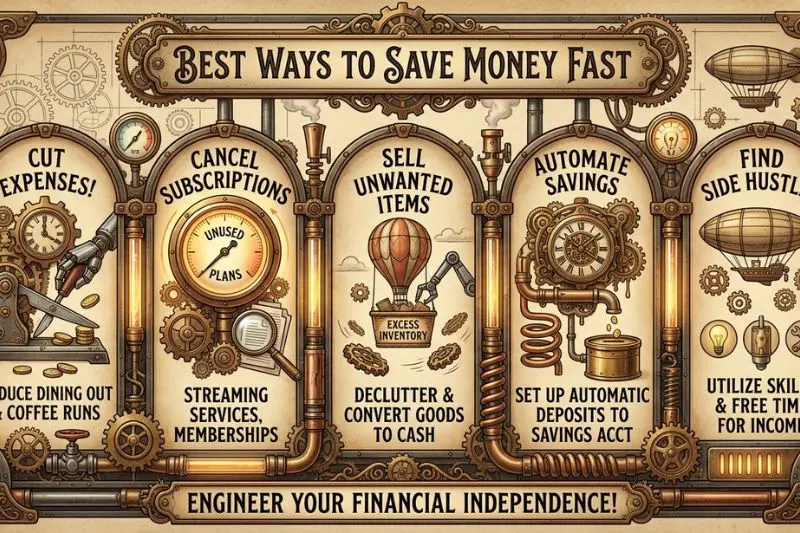
Saving money fast refers to the process of reducing unnecessary expenses and increasing savings within a short period of time. It involves making intentional financial decisions that help you retain more of your income.
Unlike long-term investment strategies, saving money fast focuses on immediate actions such as:
- Cutting daily non-essential spending
- Adjusting lifestyle habits
- Creating strict budgets
- Avoiding impulsive purchases
It is not about living poorly or restricting everything. Instead, it is about prioritizing essential needs over wants and finding smarter alternatives to spending.
When done correctly, saving money fast helps you build financial security quickly, especially during emergencies or financial challenges.
Why is Saving Money Important?

Understanding the importance of saving money is the first step toward financial discipline. Without savings, even a small financial emergency can create stress.
Here are some key reasons why saving money matters:
- It provides financial security during emergencies
- It reduces dependency on loans and credit cards
- It helps achieve future goals like education, travel, or business
- It builds confidence in managing personal finances
- It creates long-term stability and peace of mind
Moreover, saving money fast allows you to prepare for unexpected expenses such as medical bills, job loss, or urgent repairs. Without savings, people often fall into debt cycles, which are difficult to escape.
Therefore, developing a habit of saving is not just useful—it is essential for financial freedom.
Detailed Step-by-Step Guide to Save Money Fast
Step 1: Track Your Daily Expenses
The first step in saving money fast is understanding where your money goes.
Start by writing down every expense, including:
- Food and groceries
- Transportation
- Online shopping
- Entertainment
- Bills and utilities
After a week, you will clearly see spending patterns. This helps identify unnecessary expenses that can be reduced immediately.
Step 2: Create a Simple Budget Plan
Budgeting is the foundation of financial control. Divide your income into categories such as:
- 50% needs (rent, food, bills)
- 30% wants (shopping, entertainment)
- 20% savings
If you want to save money faster, reduce the “wants” category and increase savings to 30–40%.
A clear budget helps prevent overspending and keeps your financial goals on track.
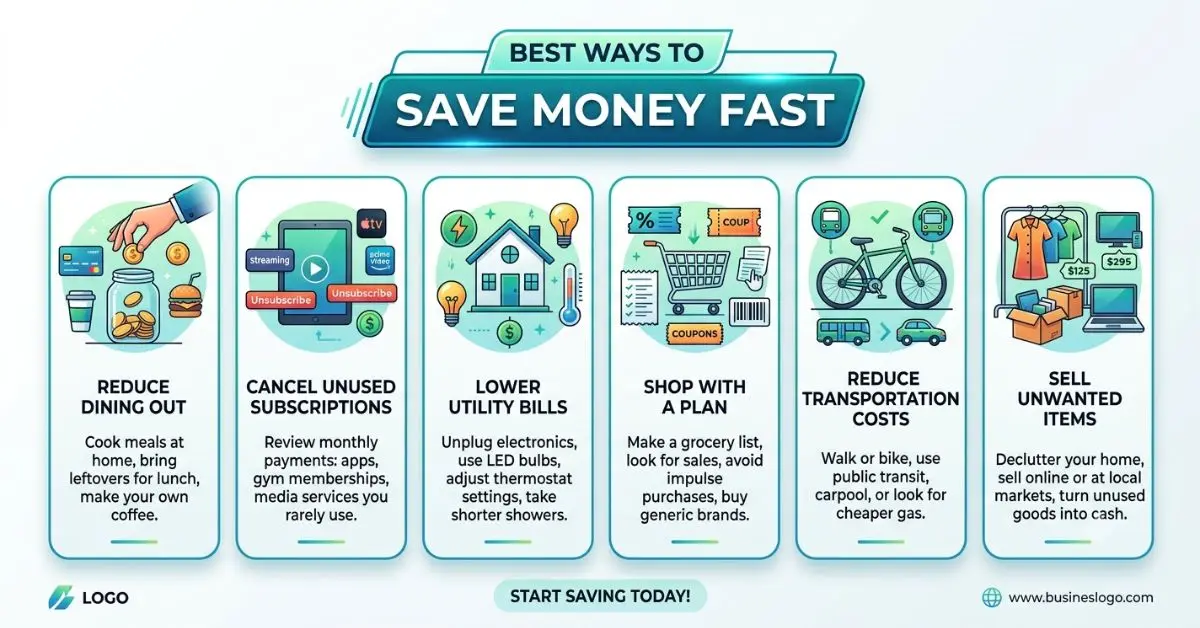
Step 3: Cut Unnecessary Expenses
This is one of the fastest ways to save money.
Ask yourself:
- Do I really need this subscription?
- Can I reduce dining out?
- Am I buying things I rarely use?
Common areas to cut expenses include:
- Food delivery apps
- Streaming subscriptions
- Impulse online shopping
- Branded items when cheaper alternatives exist
Small cuts can lead to big savings over time.
Step 4: Avoid Impulse Buying
Impulse buying is one of the biggest reasons people fail to save money.
To control it:
- Wait 24 hours before purchasing non-essential items
- Make a shopping list and stick to it
- Avoid browsing online stores unnecessarily
This simple habit can dramatically improve your savings speed.
Step 5: Use Cash Instead of Cards
Using cash helps you physically see how much you are spending. Credit cards often lead to overspending because they don’t feel like “real money.”
Try this method:
- Withdraw a fixed weekly amount
- Only spend what you have in hand
- Avoid unnecessary card swiping
This makes you more conscious of spending habits.
Step 6: Set a Clear Savings Goal
Having a goal motivates you to save faster.
Examples:
- Emergency fund: $1,000
- Travel fund: $500
- Debt repayment plan
When you have a target, you naturally become more disciplined with money.
Step 7: Increase Your Income
While saving is important, increasing income speeds up the process.
You can:
- Start freelancing
- Sell unused items
- Offer online services
- Learn a new skill for better job opportunities
Even a small side income can significantly boost your savings rate.
Benefits of Saving Money Fast
- Builds financial security quickly
- Reduces stress and anxiety
- Helps achieve short-term goals
- Prevents unnecessary debt
- Improves money management skills
- Creates emergency backup funds
- Encourages disciplined spending habits
- Disadvantages / Risks of Saving Money Fast
- May feel restrictive at first
- Requires strong discipline and consistency
- Can lead to reduced comfort temporarily
- Risk of cutting essential needs if not planned properly
- Might feel overwhelming for beginners
However, these challenges are temporary and can be managed with a balanced approach.
Common Mistakes to Avoid
- Not tracking expenses regularly
- Setting unrealistic savings goals
- Ignoring small daily expenses
- Using credit cards without control
- Not having a clear budget plan
- Giving up too quickly
- Cutting essential needs instead of unnecessary ones
Avoiding these mistakes ensures long-term success in saving money.
FAQs
What is the fastest way to save money?
The fastest way is to track expenses, cut unnecessary spending, and follow a strict budget while avoiding impulse purchases.
How can beginners start saving money?
Beginners should start by tracking daily expenses and creating a simple budget. Small consistent steps work best.
How much money should I save monthly?
A good rule is to save at least 20% of your income, but beginners can start with even 10%.
Can I save money with a low income?
Yes, saving money is possible at any income level. The key is controlling expenses and prioritizing needs.
What are the biggest money-wasting habits?
Impulse buying, eating out frequently, unused subscriptions, and poor budgeting are major money-wasting habits.
How long does it take to save money fast?
You can see results within a few weeks if you follow strict budgeting and reduce unnecessary spending.
Expert Tips & Bonus Points
- Always automate your savings if possible
- Use budgeting apps to track expenses easily
- Cook at home instead of ordering food
- Buy quality items instead of cheap frequent replacements
- Review your budget every month
- Avoid lifestyle inflation when income increases
- Focus on needs, not social pressure
These small habits can dramatically improve your financial health over time.
Conclusion
Learning the best ways to save money fast is not about strict restrictions or extreme sacrifices. Instead, it is about making smarter financial choices that help you control your spending and increase your savings consistently.
When you track your expenses, create a budget, and eliminate unnecessary costs, you start seeing real financial improvement within a short time. Even small changes, such as reducing impulse buying or cooking at home, can make a noticeable difference.
The key is consistency. Saving money is not a one-time effort—it is a habit that builds long-term financial strength. The sooner you start, the faster you will see results.
By applying the strategies discussed in this guide, you can take control of your finances, reduce stress, and build a more secure future. Remember, financial freedom begins with small steps taken today.
