


Introduction
Your credit score is one of the most important numbers in your financial life. Whether you want to apply for a credit card, buy a car, purchase a home, or even qualify for lower interest rates, lenders often rely on your credit score to determine your financial reliability. A higher score shows that you manage your money responsibly, while a lower score can make borrowing more expensive or even lead to loan rejection.
The good news is that improving your credit score is possible, regardless of where you’re starting. It doesn’t happen overnight, but with consistent financial habits and a clear understanding of how credit scoring works, you can gradually build a stronger financial profile. Even small improvements can save you thousands of dollars over time through lower interest rates and better borrowing opportunities.
Many people assume that improving a credit score is complicated. In reality, it mainly involves paying bills on time, reducing debt, maintaining healthy credit habits, and monitoring your credit reports regularly. These simple actions can have a significant impact when practiced consistently.
In this guide, you’ll learn exactly how to improve your credit score, understand the factors that influence it, and discover practical strategies that beginners and experienced borrowers can use to build excellent credit over time.
What Is a Credit Score?
A credit score is a three-digit number that represents your creditworthiness. It helps banks, lenders, and financial institutions evaluate how likely you are to repay borrowed money on time.
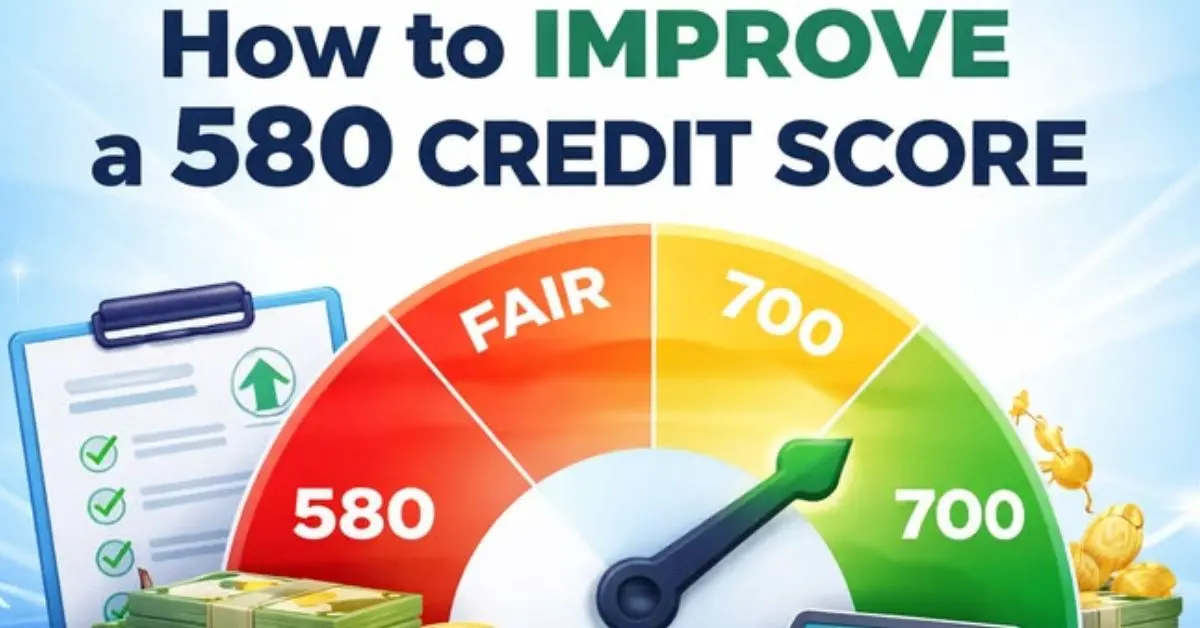
Most credit scores range from 300 to 850.
Generally:
- 300–579: Poor
- 580–669: Fair
- 670–739: Good
- 740–799: Very Good
- 800–850: Excellent
The higher your score, the more trustworthy you appear to lenders.
Factors That Affect Your Credit Score
Several key factors determine your score:
1. Payment History
Your payment history carries the most weight.
Lenders want to know whether you’ve consistently paid your loans, credit cards, and bills on time. Even one missed payment can lower your score.
Example:
If your credit card payment is due on the 10th of every month, paying it before or on that date helps build a positive credit history.
2. Credit Utilization Ratio
Credit utilization measures how much of your available credit you’re using.
For example:
- Credit limit: $5,000
- Current balance: $1,000
Your utilization is 20%.
Experts generally recommend keeping this ratio below 30%, while below 10% is even better.
3. Length of Credit History
Older accounts demonstrate long-term financial responsibility.
If you’ve responsibly managed a credit card for several years, it positively impacts your score.
This is why closing old accounts unnecessarily can sometimes hurt your credit score.
4. Types of Credit
Having different types of credit can strengthen your profile.
Examples include:
- Credit cards
- Auto loans
- Personal loans
- Home mortgages
- Student loans
A healthy mix shows lenders you can manage different financial responsibilities.
5. New Credit Applications
Every time you apply for new credit, a hard inquiry may appear on your credit report.
Applying for many loans or credit cards within a short period may temporarily reduce your score because lenders may view frequent applications as a sign of financial stress.
Why Is Improving Your Credit Score Important?
Improving your credit score provides financial advantages that extend well beyond borrowing money. It can influence many areas of your financial future and help you save a significant amount over time.
Some of the biggest benefits include:
Easier Loan Approval
Banks are much more likely to approve applications from borrowers with strong credit scores.
Whether you’re applying for a mortgage, car loan, or personal loan, a higher score increases your chances of approval.
Lower Interest Rates
One of the biggest financial advantages of a better credit score is qualifying for lower interest rates.
For example:
Two people borrow $20,000.
- Person A has an excellent credit score and receives a 6% interest rate.
- Person B has a poor credit score and receives a 14% interest rate.
Over several years, Person A may save thousands of dollars simply because of a stronger credit profile.
Higher Credit Limits
Credit card companies often reward responsible borrowers with higher spending limits.
Higher limits can also reduce your credit utilization ratio, which further supports your credit score.
Better Financial Opportunities
Many financial institutions offer premium credit cards, rewards programs, cashback opportunities, and favorable loan terms to customers with higher credit scores.
Good credit also makes it easier to refinance existing loans at lower rates.
Greater Financial Confidence
Knowing that you have a healthy credit score provides peace of mind.
You can confidently apply for financing when opportunities arise without worrying about immediate rejection.
Step-by-Step Guide to Improve Your Credit Score
Step 1: Review Your Credit Report Carefully
Before improving anything, understand your current financial position.
Request your credit report and carefully examine:
- Personal information
- Outstanding debts
- Payment history
- Credit accounts
- Closed accounts
- Hard inquiries
- Possible reporting errors
Mistakes happen more often than many people realize.
Common errors include:
- Incorrect balances
- Duplicate accounts
- Fraudulent accounts
- Payments marked late even though they were paid on time
Disputing incorrect information can sometimes improve your score relatively quickly.
Step 2: Always Pay Bills on Time
Payment history is the single most influential factor affecting your credit score.
Even if you can only make the minimum payment, paying before the due date protects your credit.
Helpful habits include:
- Setting automatic payments
- Creating calendar reminders
- Using budgeting apps
- Paying bills immediately after receiving your salary
Consistency matters far more than occasional large payments.
Building a perfect payment history month after month is one of the most reliable ways to improve your credit score over time.
Step 3: Reduce Your Credit Card Balances
High balances increase your credit utilization ratio.
Suppose you have:
- Credit limit: $10,000
- Current balance: $8,000
Your utilization is 80%, which can negatively affect your score.
Instead, aim to reduce balances until your utilization falls below 30%, and ideally under 10%.
Strategies include:
- Paying more than the minimum each month.
- Prioritizing high-interest debt.
- Avoiding unnecessary purchases.
- Making multiple payments throughout the month.
Reducing balances demonstrates responsible credit management and often leads to noticeable improvements over time.
Step 4: Avoid Applying for Too Many New Credit Accounts
Every time you apply for a new credit card or loan, the lender may perform a hard inquiry on your credit report. While a single hard inquiry usually has only a small impact, several inquiries within a short period can lower your credit score and make lenders think you’re facing financial difficulties.
Instead of applying for multiple credit products at once:
- Research your options carefully before submitting an application.
- Apply only when you genuinely need new credit.
- Space out credit applications over several months whenever possible.
For example, if you’re shopping for a new credit card, compare different offers first and choose the one that best fits your needs instead of applying to several cards hoping for approval.
Step 5: Keep Old Credit Accounts Open
The length of your credit history plays an important role in determining your credit score. Older accounts show lenders that you’ve managed credit responsibly over a longer period.
Many people make the mistake of closing old credit cards they no longer use. While this might seem like a smart decision, it can actually lower your score by:
- Reducing your average account age.
- Lowering your total available credit.
- Increasing your credit utilization ratio.
If an old credit card has no annual fee, consider keeping it open and using it occasionally for small purchases that you pay off immediately.
Step 6: Pay More Than the Minimum Payment
Making only the minimum payment each month keeps your account in good standing, but it doesn’t help you reduce debt quickly.
Whenever possible:
- Pay more than the minimum.
- Make extra payments during the month.
- Use bonuses or tax refunds to reduce outstanding balances.
Example:
If your minimum payment is $50 but you can comfortably pay $120, you’ll reduce your balance much faster and save money on interest.
This also lowers your credit utilization, which can gradually improve your credit score.
Step 7: Maintain a Low Credit Utilization Ratio
Credit utilization refers to the percentage of your available credit that you’re currently using.
Here’s a simple example:
- Total credit limit: $15,000
- Current balance: $3,000
Credit utilization = 20%
Financial experts generally recommend:
- Under 30% is good.
- Under 10% is excellent.
You can lower your utilization by:
- Paying balances early.
- Making multiple payments each month.
- Avoiding unnecessary spending.
- Requesting a higher credit limit (if you can avoid spending more).
Step 8: Diversify Your Credit Mix
Lenders like to see that you can responsibly manage different types of credit.
A healthy credit mix may include:
- Credit cards
- Personal loans
- Auto loans
- Student loans
- Home loans
However, don’t borrow money simply to improve your credit mix. Only take on debt when it serves a genuine financial purpose.
Step 9: Set Up Automatic Payments
Life gets busy, and it’s easy to forget payment due dates.
Automatic payments help ensure you never miss a payment.
Benefits include:
- Protecting your payment history.
- Avoiding late fees.
- Reducing stress.
- Improving financial discipline.
Even setting up automatic minimum payments can prevent accidental late payments.
Step 10: Monitor Your Credit Regularly
Improving your credit score isn’t a one-time task.
Check your credit report regularly to:
- Track progress.
- Detect errors.
- Identify fraudulent activity.
- Monitor new accounts.
- Review payment history.
Regular monitoring helps you catch problems before they become serious.
Benefits of Improving Your Credit Score
Improving your credit score offers many financial and personal advantages.
Some of the biggest benefits include:
- Better chances of loan approval.
- Lower interest rates on loans and credit cards.
- Higher credit limits.
- Easier approval for mortgages and auto loans.
- Greater financial flexibility.
- Improved negotiating power with lenders.
- Better credit card rewards and benefits.
- Increased confidence when making major financial decisions.
- Lower long-term borrowing costs.
- Stronger overall financial reputation.
For example, someone with an excellent credit score may qualify for significantly lower mortgage interest rates than someone with poor credit, resulting in substantial savings over the life of the loan.
Disadvantages and Risks of Poor Credit Management
Ignoring your credit score or developing poor financial habits can lead to long-term consequences.
Some common risks include:
- Higher interest rates.
- Loan application rejections.
- Lower credit limits.
- Difficulty renting certain properties.
- Higher insurance premiums in some regions.
- Increased financial stress.
- Limited borrowing options.
- Reduced financial opportunities.
- Difficulty qualifying for premium credit cards.
- Longer time needed to recover financially.
Poor credit doesn’t last forever, but rebuilding it requires patience and consistent financial responsibility.
Common Mistakes to Avoid
Many people unintentionally damage their credit scores by making avoidable mistakes.
Here are some of the most common ones:
Missing Payment Due Dates
Even one late payment can negatively affect your credit history.
Use reminders or automatic payments to avoid this mistake.
Maxing Out Credit Cards
Using nearly all of your available credit increases your utilization ratio.
Try to keep balances well below your credit limit.
Closing Old Credit Cards
Closing long-standing accounts may shorten your average credit history and reduce available credit.
Only close accounts when absolutely necessary.
Applying for Too Much Credit
Submitting multiple credit applications within a short period can lower your score.
Apply only when needed.
Ignoring Your Credit Report
Errors can remain unnoticed for months or even years if you never review your credit report.
Check it regularly and dispute inaccurate information promptly.
Co-Signing Loans Without Careful Consideration
When you co-sign a loan, you’re equally responsible for repayment.
If the primary borrower misses payments, your credit score can suffer as well.
Carrying High Balances Month After Month
Although paying on time is important, carrying large balances can still hurt your credit score.
Pay down debt consistently whenever possible.
Using Credit Without a Budget
Responsible credit management begins with proper budgeting.
Track your income, expenses, and debt payments to avoid overspending.
By avoiding these common mistakes and following the strategies outlined above, you’ll create a strong foundation for long-term financial success while steadily improving your credit score.
FAQs
How long does it take to improve your credit score?
Improving your credit score depends on your starting point and financial habits. Small improvements can appear within 1–3 months if you reduce debt and make on-time payments. However, significant changes usually take 6–12 months of consistent discipline.
What is the fastest way to improve your credit score?
The fastest ways include:
Paying down credit card balances
Making all payments on time
Fixing errors on your credit report
Keeping credit utilization below 30%
Reducing high balances alone can sometimes boost your score quick
Does checking my credit score lower it?
No, checking your own credit score is considered a soft inquiry and does not affect your credit rating. It is recommended to check your score regularly to track progress and detect issues early.
Can I improve my credit score with no credit history?
Yes, but it takes time. You can start by:
Opening a secured credit card
Becoming an authorized user on someone else’s account
Taking small credit-building loans
Responsible usage over time will help you build a positive credit history.
What hurts your credit score the most?
The biggest negative factors include:
Late or missed payments
High credit utilization
Defaulting on loans
Applying for too much credit in a short time
Payment history has the strongest impact overall.
Can a bad credit score be fixed completely?
Yes. A bad credit score is not permanent. With consistent on-time payments, reduced debt, and responsible credit use, your score can gradually recover and even reach excellent levels over time.
Expert Tips & Bonus Points

Improving your credit score becomes easier when you follow expert-level financial habits.
1. Pay Bills Before the Due Date
Instead of waiting for the deadline, pay a few days early. This builds a strong payment history and reduces stress.
2. Keep Old Accounts Active
Even if you don’t use them often, keeping older accounts open helps maintain a longer credit history, which benefits your score.
3. Request a Credit Limit Increase
If your income has improved, you can request a higher credit limit. This helps reduce your credit utilization ratio without changing your spending habits.
4. Use Credit Strategically
Use your credit card for small, planned expenses like groceries or bills, then pay it off fully each month.
5. Focus on Long-Term Habits
Quick fixes are temporary, but long-term discipline ensures stable credit growth. Consistency is more important than speed.
6. Avoid Emotional Spending
Unplanned or emotional purchases often lead to high balances, which negatively affect your credit utilization.
Conclusion
Improving your credit score is not an overnight process, but it is absolutely achievable with patience, discipline, and smart financial habits. Whether you’re just starting or trying to recover from past financial mistakes, every positive action you take contributes to long-term improvement.
The key to success lies in understanding the factors that affect your credit score and applying them consistently. Paying bills on time, reducing credit card balances, maintaining low credit utilization, and avoiding unnecessary credit applications all play a major role in building a strong financial profile.
Over time, these habits do more than just increase your credit score. They improve your overall financial stability, give you access to better loan opportunities, and help you save money through lower interest rates. Even small improvements can make a big difference in your financial future.
Remember, your credit score is not permanent. It changes based on your behavior. With consistent effort and responsible credit management, you can move from a low or average score to a strong and healthy one.
Start today with simple steps, stay consistent, and your credit score will gradually reflect your financial discipline and responsibility.
