


Introduction
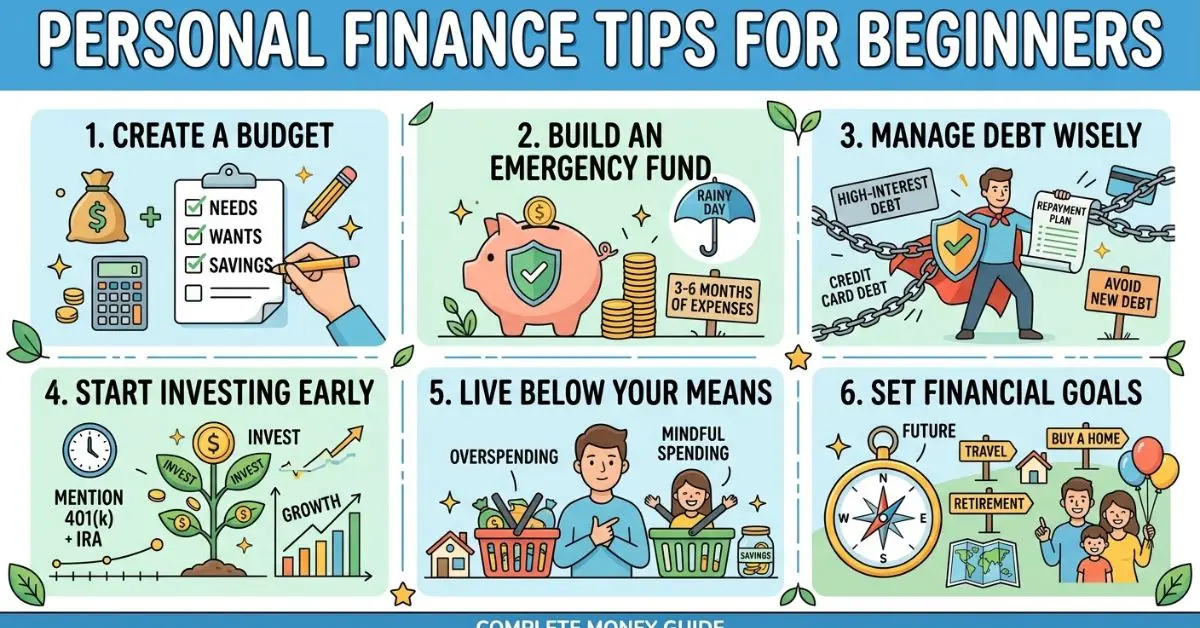
Managing money can feel overwhelming, especially if you are just starting your financial journey. Many people earn a steady income but still struggle to save, invest, or prepare for unexpected expenses. The good news is that improving your financial health does not require advanced knowledge or a high-paying job. By learning personal finance tips for beginners, anyone can develop smart money habits that lead to long-term financial stability.
Personal finance is about making informed decisions regarding your income, spending, savings, investments, and financial goals. Whether you are a student, a young professional, or someone looking to take control of your finances, understanding the basics is the first step toward financial independence.
One of the biggest advantages of following personal finance tips for beginners is that small changes made today can have a significant impact in the future. Creating a budget, reducing unnecessary expenses, building an emergency fund, and investing consistently are all habits that help you achieve financial freedom over time.
This guide covers everything you need to know, from understanding personal finance to creating a practical financial plan. By following these strategies, you can confidently manage your money, avoid common financial mistakes, and work toward a secure financial future.
What is Personal Finance Tips for Beginners?

Personal finance tips for beginners refer to practical strategies that help individuals manage their money wisely. These tips focus on budgeting, saving, investing, debt management, and financial planning.
Personal finance is not just about saving money. It also includes making informed decisions about how you earn, spend, protect, and grow your wealth. Even simple financial habits can create a strong foundation for long-term success.
Some important areas of personal finance include:
- Budgeting your monthly income
- Building an emergency savings fund
- Managing debt responsibly
- Improving your credit score
- Investing for long-term growth
- Planning for retirement
- Setting realistic financial goals
For beginners, understanding these fundamentals makes financial decisions easier and helps reduce money-related stress.
Why is Personal Finance Important?
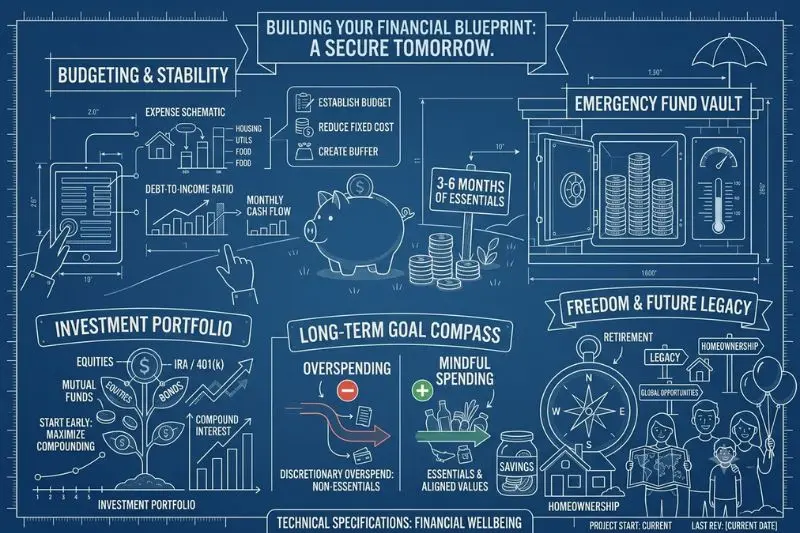
Learning personal finance tips for beginners is important because money affects almost every aspect of life. Poor financial decisions can lead to stress, debt, and missed opportunities, while smart financial habits provide security and peace of mind.
Here are some reasons why personal finance matters:
Helps You Control Spending
A budget shows exactly where your money goes each month. It helps you identify unnecessary expenses and prioritize important financial needs.
Builds Financial Security
Saving consistently creates a financial cushion for emergencies such as medical expenses, job loss, or unexpected repairs.
Reduces Financial Stress
Knowing that you have savings and a clear financial plan reduces anxiety and improves overall well-being.
Helps Achieve Financial Goals
Whether you want to buy a home, start a business, travel, or retire comfortably, proper financial planning makes those goals achievable.
Prevents Excessive Debt
Responsible borrowing and smart spending reduce the risk of accumulating high-interest debt.
Encourages Long-Term Wealth
Investing regularly allows your money to grow over time through compound returns, helping you build lasting wealth.
Step-by-Step Guide to Personal Finance for Beginners
Step 1: Understand Your Current Financial Situation
Before making improvements, you need to know where you stand financially.
Take time to calculate:
- Monthly income
- Fixed expenses
- Variable expenses
- Existing debt
- Savings balance
- Investment accounts
Writing everything down provides a clear picture of your financial health.
Example:
Monthly Income: $2,500
Monthly Expenses: $2,000
Monthly Savings Potential: $500
This simple calculation shows how much money can be saved or invested each month.
Step 2: Create a Monthly Budget
Budgeting is one of the most effective personal finance tips for beginners because it gives every dollar a purpose.
A simple budget includes:
Category Percentage
Needs 50%
Wants 30%
Savings & Investments 20%
This popular budgeting method helps balance spending while ensuring regular savings.
Budgeting also allows you to:
- Track spending
- Avoid overspending
- Reach financial goals faster
- Improve financial discipline
Remember that a budget is flexible. Review and adjust it every month as your financial situation changes.
Step 3: Build an Emergency Fund
Unexpected expenses happen to everyone.
Your car may break down.
Medical bills can appear suddenly.
You may even lose your job temporarily.
An emergency fund protects you from relying on credit cards or personal loans during difficult times.
Experts generally recommend saving three to six months of living expenses.
If that feels overwhelming, start small.
For example:
- Save $20 every week.
- Increase savings whenever your income grows.
- Deposit money automatically into a savings account.
Small contributions eventually grow into a reliable financial safety net.
Step 4: Pay Off High-Interest Debt
Debt can prevent you from achieving financial freedom.
Credit cards often carry high interest rates, making balances grow quickly if payments are delayed.
Focus on paying off:
- Credit card debt
- Personal loans with high interest
- Payday loans
- Other expensive debt
One effective approach is the Debt Avalanche Method, where you pay off the highest-interest debt first while making minimum payments on the remaining balances.
Another popular strategy is the Debt Snowball Method, which focuses on paying the smallest balance first to build motivation through quick wins.
Whichever method you choose, staying consistent is more important than paying large amounts all at once.
Step 5: Start Saving Consistently
Many beginners believe they need a large income before they can save.
That is not true.
Consistency matters more than the amount.
Even saving a small percentage of every paycheck develops strong financial habits over time.
Consider these saving strategies:
- Automate transfers to savings.
- Save part of every bonus.
- Reduce unnecessary subscriptions.
- Avoid impulse purchases.
- Set monthly savings goals.
The earlier you begin saving, the more opportunities your money has to grow.
Step 6: Start Investing Early
One of the smartest personal finance tips for beginners is to start investing as early as possible. Many people believe investing is only for the wealthy, but that is a common misconception. You can begin with small amounts and gradually increase your investments as your income grows.
The biggest advantage of investing early is the power of compound growth. Over time, your earnings generate additional earnings, allowing your wealth to grow faster.
Popular investment options include:
- Stock market index funds
- Mutual funds
- Exchange-Traded Funds (ETFs)
- Retirement accounts
- Government bonds
- Fixed deposits for conservative investors
If you are new to investing, focus on learning the basics before taking risks. Diversifying your investments also helps reduce risk while improving long-term returns.
Step 7: Set SMART Financial Goals
Financial goals provide direction and motivation. Without clear goals, it becomes easy to spend money without thinking about the future.
A useful method is setting SMART goals:
- Specific: Clearly define your goal.
- Measurable: Track your progress.
- Achievable: Keep goals realistic.
- Relevant: Match your financial priorities.
- Time-bound: Set a deadline.
Examples include:
- Save $5,000 for an emergency fund within one year.
- Pay off credit card debt in 12 months.
- Save for a house down payment in five years.
- Invest 15% of monthly income for retirement.
Review your goals every few months and adjust them if your financial situation changes.
Step 8: Improve Your Credit Score
Your credit score affects many aspects of your financial life. A higher score can help you qualify for lower interest rates on loans, better credit card offers, and even rental applications.
Ways to improve your credit score include:
- Pay bills on time.
- Keep credit card balances low.
- Avoid applying for too many loans at once.
- Review your credit report regularly.
- Keep older credit accounts open if possible.
Building good credit takes time, but consistent habits make a significant difference.
Step 9: Track Every Expense
Many people underestimate how much they spend each month.
Tracking expenses helps identify unnecessary purchases and highlights opportunities to save more money.
You can use:
- Budgeting apps
- Spreadsheet templates
- A simple notebook
- Mobile banking tools
Review your expenses weekly or monthly.
Ask yourself:
- Was this purchase necessary?
- Could I have found a cheaper alternative?
- Does this expense support my financial goals?
Small spending adjustments often lead to substantial annual savings.
Step 10: Continue Learning About Money
Financial education never ends.
Economic conditions change, investment opportunities evolve, and personal financial needs grow over time.
Ways to improve your financial knowledge include:
- Reading personal finance books
- Listening to finance podcasts
- Following trusted financial experts
- Taking online finance courses
- Practicing budgeting regularly
The more you learn, the more confident you become when making financial decisions.
Benefits of Personal Finance Tips for Beginners
Following good financial habits offers numerous long-term advantages.
Some of the biggest benefits include:
- Better control over monthly spending
- Reduced financial stress
- Increased savings for emergencies
- Faster debt repayment
- Improved credit score
- Greater financial confidence
- Better investment opportunities
- Strong retirement planning
- Increased financial independence
- Improved decision-making with money
- Ability to handle unexpected expenses
- More freedom to achieve personal goals
Developing these habits early creates lasting financial stability and opens doors to future opportunities.
Disadvantages / Risks
Although learning personal finance tips for beginners is beneficial, there are still some challenges to consider.
Potential disadvantages include:
- Budgeting requires discipline and consistency.
- Investing always involves some level of risk.
- Financial goals may take years to achieve.
- Unexpected emergencies can delay savings plans.
- Inflation may reduce purchasing power.
- Poor financial advice can lead to costly mistakes.
- Emotional spending may derail financial progress.
Fortunately, most of these risks can be minimized through education, planning, and consistent financial habits.
Common Mistakes to Avoid
Many beginners make similar financial mistakes. Recognizing these early can save both money and stress.
Living Beyond Your Means
Spending more than you earn often leads to debt and financial pressure. Always prioritize needs over unnecessary wants.
Not Having a Budget
Without a budget, it becomes difficult to understand where your money is going. A simple monthly budget keeps your finances organized.
Ignoring Emergency Savings
Unexpected expenses happen without warning. Failing to build an emergency fund often results in borrowing money at high interest rates.
Delaying Investments
Many people wait until they have a large income before investing.
Starting early—even with small amounts—usually provides better long-term results because of compound growth.
Depending Too Much on Credit Cards
Credit cards can be useful when managed responsibly. However, carrying high balances and making only minimum payments can quickly become expensive due to interest charges.
Forgetting Financial Goals
Without clear goals, saving money becomes much harder.
Write your goals down and review them regularly to stay motivated.
Making Emotional Purchases
Impulse buying is one of the biggest obstacles to financial success.
Before making a purchase, ask yourself:
- Do I really need this?
- Can I afford it comfortably?
- Will this purchase help or hurt my financial goals?
Waiting 24 hours before buying non-essential items can reduce unnecessary spending.
Ignoring Insurance
Insurance protects your finances from major unexpected losses.
Health, life, home, or vehicle insurance can prevent one emergency from becoming a financial disaster.
By avoiding these common mistakes and consistently applying the strategies discussed above, beginners can build a strong financial foundation that supports both short-term needs and long-term financial success.
FAQs
What is personal finance?
Personal finance is the process of managing your money through budgeting, saving, investing, borrowing, and planning for future financial goals. It helps individuals make informed decisions about their income and expenses while building long-term financial security.
Why are personal finance tips important for beginners?
Personal finance tips provide beginners with a clear roadmap for managing money effectively. They help develop healthy financial habits, reduce unnecessary debt, encourage regular savings, and prepare individuals for future financial responsibilities.
How much money should I save each month?
A good starting point is to save at least 20% of your monthly income if possible. However, if your income is limited, even saving 5% to 10% consistently is beneficial. The key is building the habit of saving regularly rather than focusing only on large amounts.
Should I pay off debt before investing?
It depends on the type of debt you have. High-interest debt, such as credit card balances, should usually be paid off first because the interest costs are often higher than potential investment returns. If you have low-interest debt, you may choose to balance debt repayment with investing.
What is an emergency fund?
An emergency fund is money set aside specifically for unexpected situations such as medical emergencies, job loss, home repairs, or car repairs. Financial experts generally recommend saving enough to cover three to six months of living expenses.
Can I start investing with a small amount of money?
Yes. Many investment platforms allow beginners to start investing with a relatively small amount. Regular monthly investments, even if they are modest, can grow significantly over time through compound returns.
How can I improve my financial discipline?
Financial discipline develops through consistent habits. Creating a monthly budget, tracking expenses, avoiding impulse purchases, automating savings, and reviewing financial goals regularly all contribute to better money management.
Expert Tips & Bonus Points
Following basic financial advice is helpful, but a few additional strategies can accelerate your financial growth.
Pay Yourself First
Whenever you receive your salary, transfer money into your savings or investment account before spending on non-essential items. This ensures your financial goals remain a priority.
Automate Your Savings
Set up automatic transfers to your savings account every month. Automation removes the temptation to spend money before saving it.
Increase Savings with Every Salary Raise
Whenever your income increases, avoid increasing your lifestyle at the same rate. Instead, direct a portion of the additional income toward savings or investments.
Review Your Budget Monthly
Your financial situation changes over time. Reviewing your budget every month helps identify unnecessary expenses and keeps your financial plan on track.
Learn Before You Invest
Never invest in something you do not understand. Take time to research investment options, understand potential risks, and make informed decisions.
Avoid Lifestyle Inflation
As your income grows, it is tempting to spend more on luxury items. While occasional rewards are fine, consistently increasing expenses can prevent long-term wealth accumulation.
Keep Learning About Personal Finance
Financial knowledge is one of the best investments you can make. Reading books, attending workshops, and following trusted financial educators can help you stay informed and make smarter financial decisions.
Conclusion
Learning personal finance tips for beginners is one of the most valuable investments you can make in yourself. Good money management is not about earning the highest salary—it is about making smart financial decisions with the income you already have. By understanding the basics of budgeting, saving, investing, debt management, and financial planning, you can build a secure financial future step by step.
The journey toward financial freedom begins with small, consistent actions. Creating a monthly budget, building an emergency fund, paying off high-interest debt, and investing early are habits that can significantly improve your financial well-being over time. Even modest changes in your spending and saving habits can lead to substantial long-term benefits.
Remember that financial success does not happen overnight. It requires patience, discipline, and a willingness to learn from both successes and mistakes. Stay focused on your goals, review your progress regularly, and continue improving your financial knowledge.
By applying the strategies shared in this guide, you can confidently manage your money, reduce financial stress, and work toward achieving your personal and financial dreams. Every smart financial decision you make today lays the foundation for a more stable, secure, and prosperous tomorrow.
